The rapid expansion of artificial intelligence (AI) infrastructure demands significant energy. A recent Deloitte report suggests that U.S. power demands from AI data centers could grow over thirtyfold by 2035. The exponential growth of AI energy consumption puts immense strain on our electrical grids. Therefore, finding sustainable energy solutions is critical. The AI revolution is not just a technological one; it is also a fundamental shift in our energy landscape. This shift requires a new perspective on power consumption.
Understanding the Challenge: The Energy-Hungry AI Ecosystem
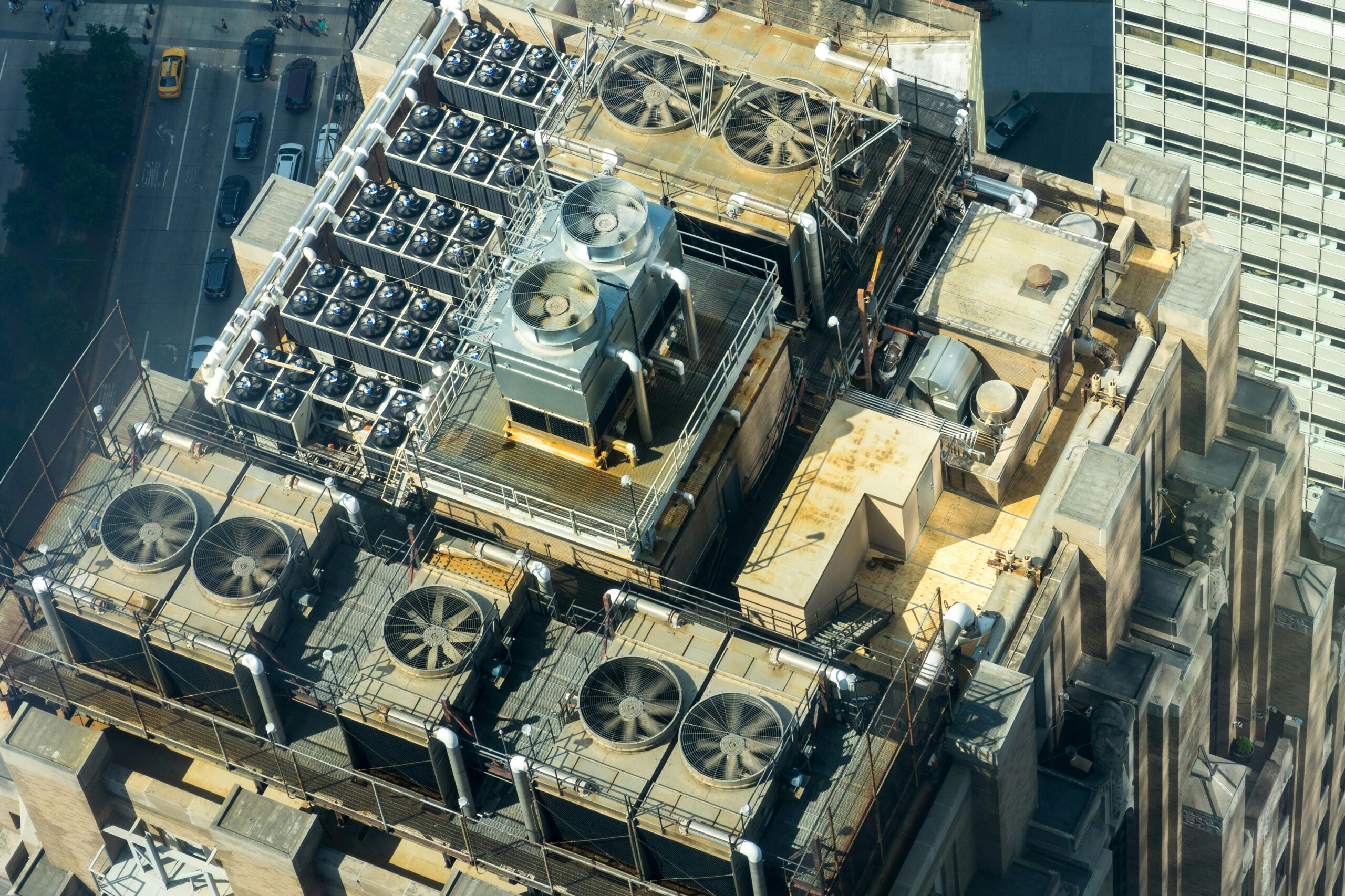
AI and data centers consume huge amounts of power. Much of this energy goes to cooling systems. Generative AI is especially energy-intensive. Goldman Sachs estimates that AI energy consumption will drive a 165% increase in data center power demand by 2030. Consequently, data centers must become more efficient. The American Society of Civil Engineers (ASCE) has given U.S. energy infrastructure a D+ grade. This infrastructure cannot support the current rate of electrification and AI growth. Furthermore, the sheer volume of data being processed is staggering. Training a single large language model can consume as much electricity as a small town over several months. Moreover, the computational demands of AI inference—using the models—are also considerable. As a result, the energy challenge is not a future problem; it is a present reality. The cooling requirements alone present a monumental hurdle.
Coat Zone’s Targeted Solutions for HVAC Efficiency
Coat Zone offers a solution to encourage sustainable AI infrastructure. Our products target the core of the problem: inefficient HVAC systems. First, CoilSafe and CoilSafe Plus protect HVAC coils. They create a covalent bond, which strengthens the connection between the fins to the copper tubing. This process returns or keeps the unit to near original factory efficiency. Because of this, units run less often. This directly translates to lower electricity bills and less strain on the grid. This is not a temporary fix; it is a permanent restoration of performance. Second, our ThermalBlock coating works on HVAC exteriors. It acts as a thermal barrier, blocking up to 95% of the sun’s solar heat. This significantly reduces the temperature of the unit’s cabinet. As a result, the unit doesn’t have to work as hard to cool itself. ThermalBlock is a passive, yet incredibly effective, solution. It reduces the need for constant mechanical cooling, providing immediate energy savings. Both products address the root causes of HVAC inefficiency. They are designed to work together to maximize energy savings.
A Solutions-Focused Approach for a Sustainable Future
Coat Zone’s products provide a two-pronged solution to counterbalance AI energy consumption. They increase system efficiency while simultaneously reducing thermal load. Our coatings can lower cooling energy consumption by 15-30%. Furthermore, they can extend a unit’s useful life by 50% or more. Thus, our products not only save energy but also reduce capital expenditures. They offer a direct, impactful way to combat the rising energy demands of modern technology. Ultimately, our goal is to provide sustainable, long-term solutions. We empower businesses to manage their energy consumption effectively. Our technology represents a proactive step toward a more sustainable and resilient energy future. The time to act is now, and efficient infrastructure is our best defense. The transition to a clean energy economy depends on these kinds of innovative solutions.
Sources:
- “Can US infrastructure keep up with the AI economy?” Deloitte, June 2025.
- “AI to drive 165% increase in data center power demand by 2030,” Goldman Sachs, May 2025.
- “The Clarion Call by Deloitte: Buffering the AI Data Center Energy Collision,” EnergyTech, May 2025.
- “ASCE Infrastructure Report on Energy D: Won’t Cut It in Era of Electrification and AI,” EnergyTech, May 2025.
- “Innovation, energy, and a sustainable digital future,” World Economic Forum, July 2025.