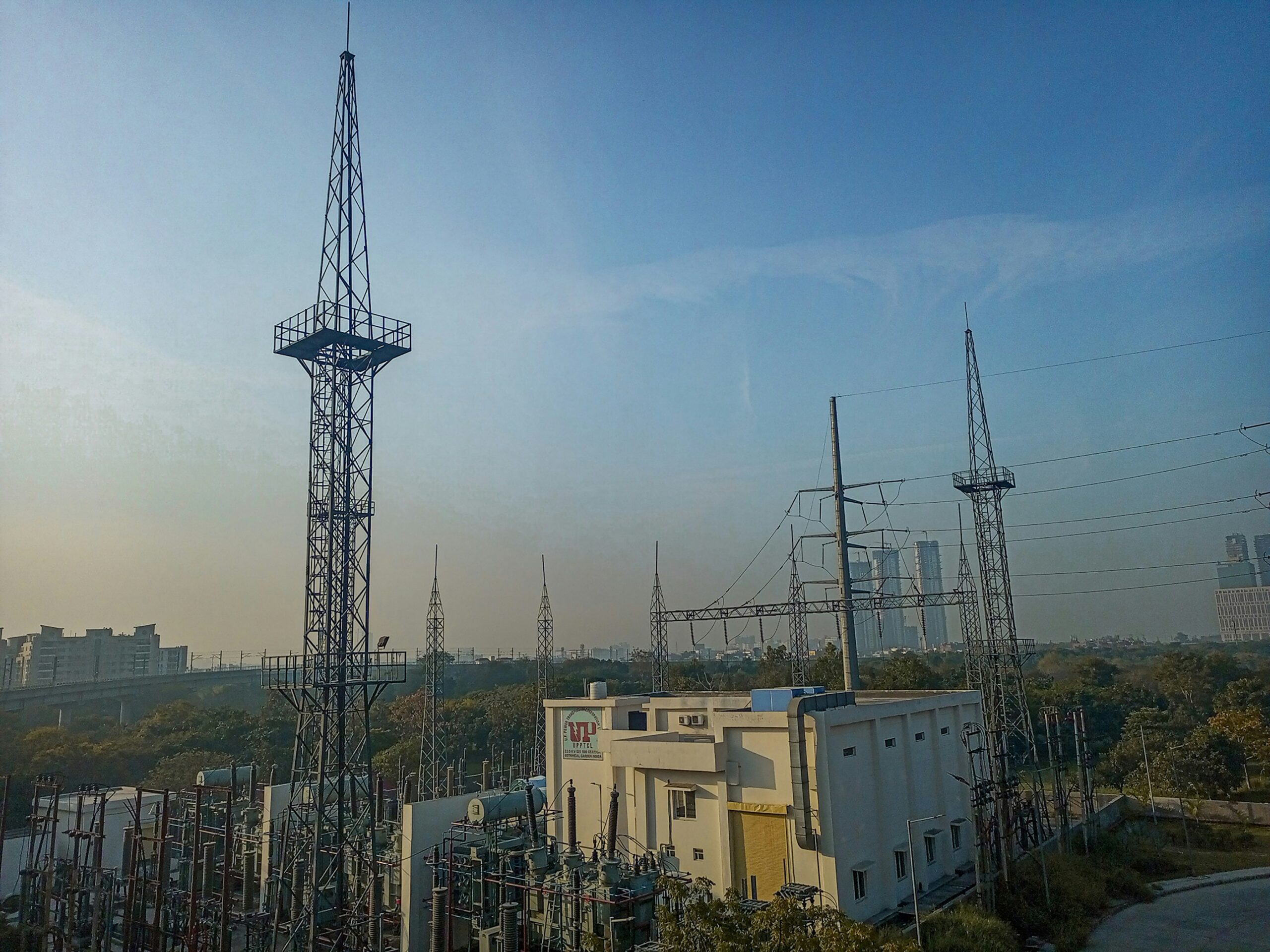
In this digital world, data centers are the unseen engines that power everything from social media to scientific research. However, behind every click and every downloaded file lies a massive physical infrastructure. Data center site selection decisions have profound implications, particularly for energy consumption and environmental impact.
The Energy-Hungry Giants
Data centers are notorious for their voracious electricity consumption. They consume an estimated 1-2% of the world’s electricity, a figure projected to rise [1]. This energy is primarily used for two purposes: powering the IT equipment itself (servers, storage, networking) and, perhaps even more significantly, cooling it. Servers generate immense heat, and maintaining optimal operating temperatures is crucial for performance and longevity.
When making a data center site selection, energy considerations are paramount:
- Availability and Reliability: A consistent and reliable power supply is non-negotiable. Downtime caused by power outages can be catastrophic, resulting in massive financial losses and data disruption. Sites near robust power grids or with access to multiple substations are highly desirable.
- Cost: Electricity costs are a major operational expense for data centers. Regions with lower electricity prices offer a significant competitive advantage.
- Renewable Energy Potential: Increasingly, companies are committing to sustainability goals, making access to renewable energy sources (solar, wind, hydro) a key factor. Locating near a renewable energy plant or a grid with a high percentage of renewables can significantly reduce a data center’s carbon footprint.
Environmental Footprint: Beyond Energy
While energy consumption is the most obvious environmental concern, data centers have other impacts:
- Water Usage: Many traditional cooling systems, especially evaporative cooling systems, consume large amounts of water. As water scarcity becomes a global issue, the availability and cost of water are critical considerations.
- Carbon Emissions: Even with commitments to renewables, the construction and ongoing operation of data centers contribute to carbon emissions. Particularly if they rely on electricity from fossil fuels.
- Land Use: Data centers require a significant amount of land, both for the facility itself and for associated infrastructure such as substations. This can impact local ecosystems and agricultural land.
- E-waste: The continuous upgrade cycle of IT equipment generates substantial electronic waste that must be responsibly managed.
Strategic Site Selection: Mitigating Impact
To address these challenges, data center operators look for sites that offer a balance of economic and environmental advantages:
- Cool Climates: Regions with naturally cool ambient temperatures reduce the need for mechanical cooling, lowering energy consumption and operational costs. Places like the Nordics, Canada, and specific parts of the US offer these benefits.
- Proximity to Renewable Energy: Sites adjacent to hydroelectric dams, wind farms, or large solar installations can offer direct access to green energy at lower cost.
- Access to Sustainable Water Sources: For facilities using water-based cooling, proximity to sustainable water sources is crucial. As is the implementation of water-efficient cooling technologies.
- “Waste” Heat Utilization: Innovative projects are exploring ways to capture and reuse the heat generated by data centers for district heating schemes or agricultural purposes, turning a waste product into a valuable resource.
How Coat Zone’s Product Suite Can Make a Difference
Regardless of where a data center is located, the internal and external thermal loads remain a constant challenge. This is where Coat Zone’s specialized product line provides a decisive advantage, offering a “dual approach” to thermal management that protects equipment while drastically reducing the environmental footprint.
1. CoilSafe®: Restoring HVAC Efficiency
The massive HVAC systems required to cool data centers often lose efficiency over time due to corrosion and debris. CoilSafe® is a thin-film inorganic coating (only 8-10 microns thick) designed to restore and protect these vital heat exchanger coils.
- Energy Reduction: By retightening the bond between the fin and the tubing, CoilSafe improves energy transfer, helping units run closer to their original factory efficiency and immediately reducing kilowatt usage.
- Extended Equipment Life: It prevents corrosion from shortening the life of expensive cooling infrastructure, ensuring a higher ROI and reducing the need for premature equipment replacement.
2. CoilSafe Plus®: Advanced Microbial Protection
In data centers where high-moisture environments or high-traffic areas can lead to biological fouling, CoilSafe Plus® adds an extra layer of defense.
- Bacteriostatic Defense: Incorporating silver-ion technology, it achieves a 99.5% reduction in bacteria and prevents mold and mildew growth. This keeps evaporator coils clean, ensuring that airflow and heat transfer are never compromised by organic buildup.
- Environmental Resilience: It is designed to withstand 6,000+ hours of salt-fog testing, making it ideal for data centers in coastal regions or harsh industrial environments.
3. ThermalBlock™: The Solar Shield
Data centers often house equipment in rooftop-mounted units or in exposed ductwork, both of which are subject to extreme solar heat. ThermalBlock™ acts as a high-performance radiant barrier for the exterior of the HVAC cabinets.
- Blocking Solar Gain: ThermalBlock™ blocks up to 93% of solar heat, reflecting radiation before it can soak into the unit. This keeps the interior cabinet temperatures significantly cooler, within 10°F of the ambient air temperature, even during peak summer.
- Reducing Run-Time: By shielding the system from solar load, ThermalBlock™ reduces the overall runtime of HVAC units, lowering energy consumption and reducing mechanical strain that leads to repairs.
Efficiency From the Inside Out
By combining these technologies, Coat Zone empowers data centers to be more thermally efficient at every level.
- Water Conservation: By maximizing the efficiency of the cooling cycle through CoilSafe, the demand for evaporative cooling is reduced, directly saving thousands of gallons of water.
- Density & Performance: Improved thermal management allows operators to maximize rack density without overtaxing the existing cooling infrastructure.
In essence, Coat Zone enables data center site selection to mitigate environmental impact by doing more with less, using less electricity and water, and getting more years of use from their equipment.
The Future is Efficient
The ongoing growth of digital services demands a corresponding evolution in how we build and operate data centers. By strategically selecting sites aligned with environmental goals and integrating cutting-edge technologies like Coat Zone, we can ensure the digital world continues to thrive without compromising the health of our planet. The future of data centers is not just about raw power, but about intelligent, sustainable power.
Sources:
[1] IEA (2025), Energy and AI, IEA, Paris https://www.iea.org/reports/energy-and-ai, Licence: CC BY 4.0