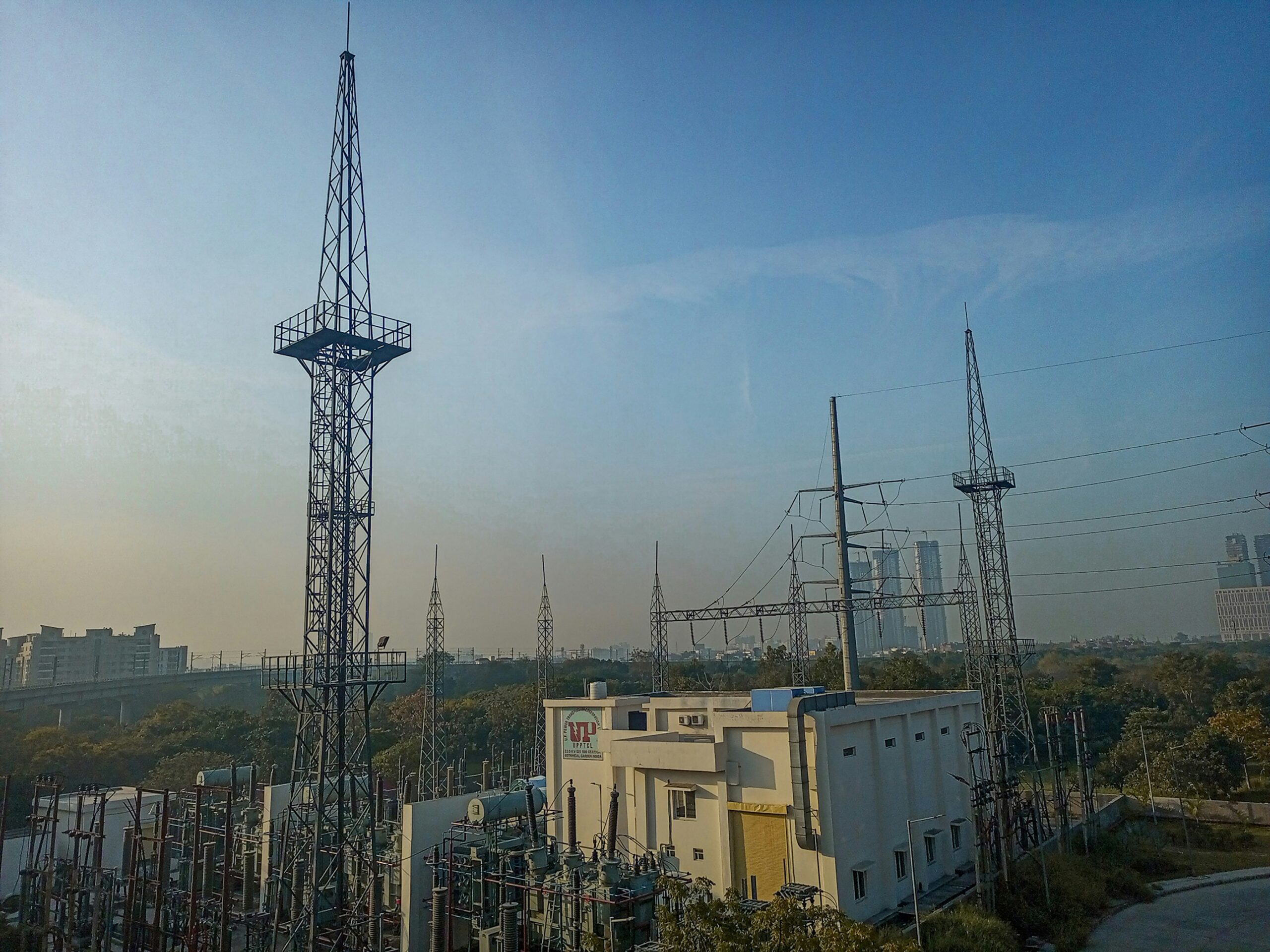
Why Data Center Location Is the Ultimate High-Stakes Decision
The modern world runs on data, and data runs on data centers. These digital factories are the most important industrial real estate of our time. When a company decides where to plant one of these multi-million, sometimes multi-billion, dollar facilities, it is one of the most consequential decisions they will ever make.
A data center’s location is not a simple choice. The choice is a high-stakes calculation that balances risk, cost, and access to essential resources. As Artificial Intelligence (AI) and cloud computing explode, the demands placed on these facilities are higher than ever, pushing site selectors into challenging geographic areas.
For builders and operators, understanding the core factors driving these location choices is critical—and so is preparing the HVAC infrastructure to survive the inevitable environmental trade-offs.
The Unholy Trinity: Three Non-Negotiable Data Center Location Selection Factors
The process of choosing a data center site is a game of compromise. There are three core factors that are non-negotiable for success [1, 2].
1. Power: The Unquenchable Thirst
The most important factor is the availability of reliable, affordable, and sustainable power. Data centers, particularly those supporting AI and high-performance computing, are massive consumers of electricity. A typical cloud data center can consume the power of tens of thousands of homes.
- Why it’s essential: Without a stable, redundant connection to an affordable grid, the center cannot operate profitably or reliably. The demand for low-carbon energy also pushes operators toward regions with abundant renewable resources like hydro, wind, or solar power [5].
2. Connectivity: The Fiber Lifeline
A data center is useless if it’s not connected to the internet’s global nervous system. Site selectors prioritize proximity to major fiber optic routes and internet exchange points to ensure low latency (the speed at which data travels).
- Why it’s essential: For applications ranging from financial trading to streaming, a delay of milliseconds can mean failure. High-quality, redundant, and diverse fiber access ensures the data center can serve its customers efficiently and remain operational if a single line is cut [2, 4].
3. Risk and Resilience: Battling Mother Nature
Power and connectivity draw data centers to densely populated or resource-rich areas. However, the need for resilience pushes them away from high-risk zones. Locations prone to natural disasters, such as earthquakes, hurricanes, or floods, are often avoided [3].
- Why it’s essential: Downtime is catastrophic. A strong location strategy requires mitigating physical risk, including avoiding sites near flight paths, chemical plants, or known fault lines [4].
The Unavoidable Trade-Off: Data Center Location Risk
In the pursuit of low-cost power and fiber access, data centers are often forced to choose locations with unavoidable environmental challenges. A prime example is the trend of building in coastal regions (for transatlantic fiber) or near hydro-power dams (for cheap energy).
These strategic choices expose critical HVAC systems to major threats that undermine efficiency and reliability:
- High Humidity and Condensation: Coastal locations or those with aggressive cooling strategies (like using large amounts of evaporated water) result in high ambient humidity. This promotes condensation on cold surfaces like cooling coils, ductwork, and air handling unit casings. This moisture is the breeding ground for mold and corrosion [3].
- Airborne Contaminants: Locations near industrial centers or coastlines introduce corrosive elements (like salt spray or industrial pollutants) into the cooling air stream. These contaminants attack unprotected metal surfaces, leading to micro-organism growth, fouling, and ultimately, system failure.
The data center faces premature equipment failure, reduced thermal transfer efficiency (leading to higher energy bills), and a compromised indoor environment if the negative factors aren’t addressed.
Coating the Core: Mitigating Location Risk with Coat Zone
Coat Zone’s specialized protective coatings are engineered to directly counter the environmental damage from strategic location choices. They help ensure the HVAC infrastructure lives as long as the digital infrastructure it serves.
CoilSafe and CoilSafe Plus: Protecting the Heart of Cooling
The most vulnerable component in any data center is the cooling coil because it is constantly exposed to the air.
- How they help: CoilSafe and CoilSafe Plus create a durable, ultra-thin barrier that is antimicrobial and highly resistant to environmental corrosion. In coastal or industrial environments salt and pollutants accelerate coil degradation. Our coatings prevent fouling and microbial growth (mold and bacteria) that would otherwise compromise both air quality and thermal transfer. CoilSafe and CoilSafe Plus maintain peak thermal efficiency to directly support continuous, affordable cooling.
ThermalBlock: Stopping Condensation and Corruption
Applied to the exterior of air handling units, chilled water piping, or plenum surfaces, ThermalBlock addresses the solar heat load challenge head-on.
- How it helps: ThermalBlock acts as a superior thermal barrier, blocking up to 93% of solar heat, instantly reducing surface temperatures to within 10°F of the surrounding air, even in peak summer conditions.
The decision on where to place a data center can be driven by fiber and power. But, the resilience of that investment is determined by the protective measures taken against the chosen location’s environment. Coat Zone ensures that the essential cooling systems, the very lungs of the data center, are protected and optimized, no matter where they are built.
Sources:
- Does it Matter Where My Data Center is Located? DataCenters.com. https://www.datacenters.com/news/does-it-matter-where-my-data-center-is-located
- How Important Is Location When Choosing a Data Center? Data Center Knowledge. https://www.datacenterknowledge.com/data-center-site-selection/how-important-is-location-when-choosing-a-data-center-
- Data Center Location Strategy: The Key Considerations. TierPoint. https://www.tierpoint.com/blog/data-center-location-strategy/
- 5 Considerations for Choosing Data Center Locations. Equinix Blog. https://blog.equinix.com/blog/2024/08/06/5-considerations-for-choosing-data-center-locations/
- AI Data Centers: Which Factors Determine Their Location? American Action Forum. https://www.americanactionforum.org/insight/ai-data-centers-which-factors-determine-their-location/