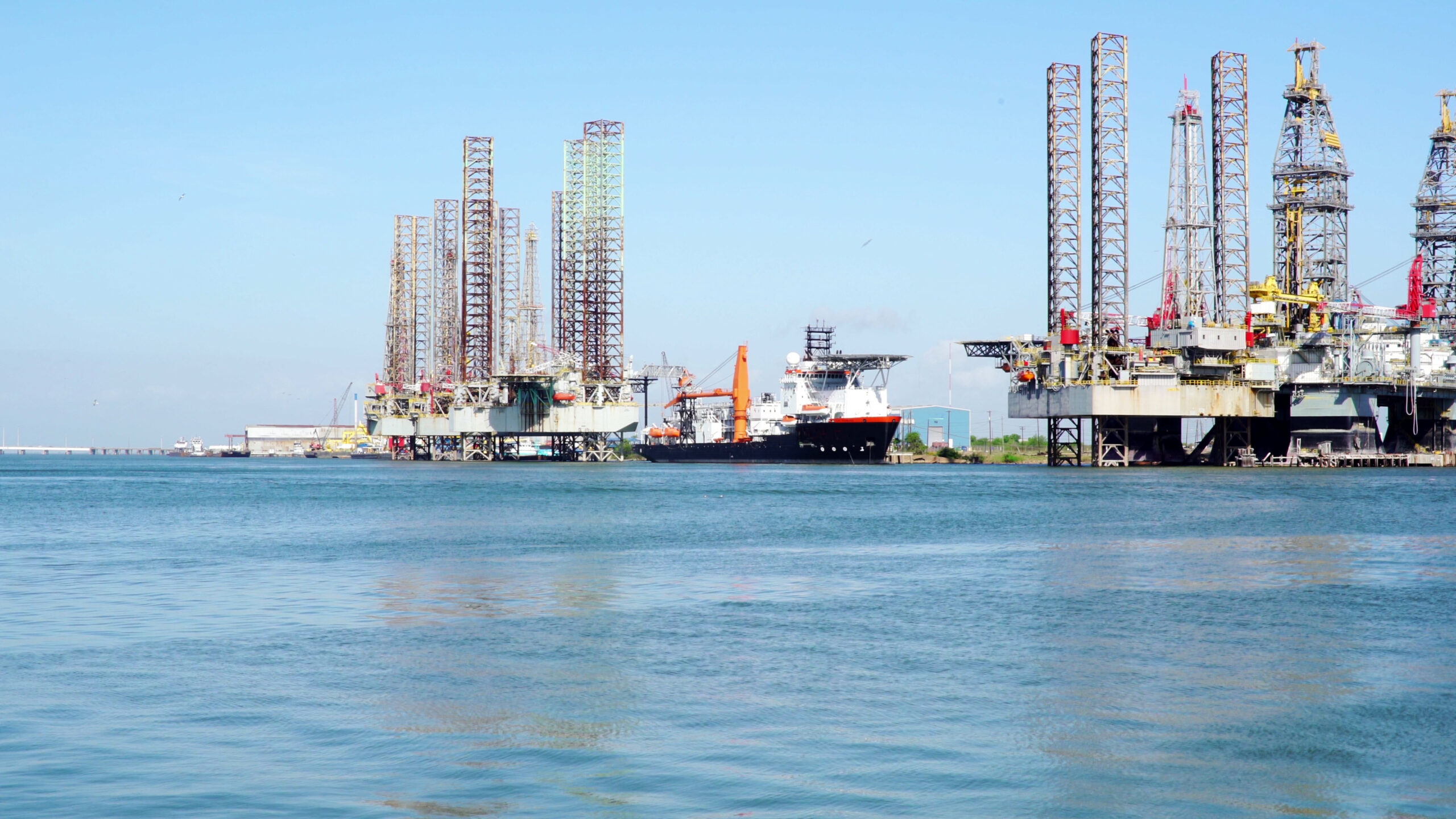
In the world of infrastructure and manufacturing, corrosion is the “silent killer.” For metals submerged in harsh environments, like the salty, turbulent depths of the ocean, protection isn’t just a preference; it’s a necessity.
But how do we know which coatings actually work? That’s where ASTM G31 comes in.
What is ASTM G31?
ASTM G31 is the gold standard guide for Laboratory Immersion Corrosion Testing of Metals. Rather than a rigid, “one-size-fits-all” procedure, ASTM G31 serves as a comprehensive guide for designing tests that simulate real-world immersion conditions.
The guide covers every critical variable that can influence how a metal reacts to its environment, including:
Test Conditions: Solution composition, temperature, and fluid motion.
Apparatus & Sampling: How specimens are supported and the volume of solution used.
Interpretation: Calculating corrosion rates and identifying pitfalls that could lead to misleading results.
Why is This Test Important?
The primary goal of ASTM G31 is to promote better correlation of results and reduce conflicting reports. Because different metals and alloys respond uniquely to environmental factors, a standardized approach to recording data ensures that when a coating claims to protect a metal, that claim is backed by rigorous, scientific observation.
Real-World Results: CoilSafe® vs. The Gulf of Mexico
To put these standards to the ultimate test, Coat Zone conducted a massive field exposure evaluation on Galveston Island, Texas. Using the principles of ASTM G31, we submerged metal samples to a depth of 3 meters in the sea for a staggering 26,200 hours.
The environment was brutal: continuous exposure to chloride ions, tidal flows, and seasonal temperature cycling.
The Methodology
Three common industrial metals, Aluminum, Galvanized Steel, and Stainless Steel, were tested. Each sample was “half-and-half”: one side was left bare, while the other was protected by CoilSafe®, an 8-micron covalent film.
The Results
The contrast between the coated and uncoated sections was night and day. After nearly three years of submersion, the results verified by CZI labs showed:
Parameter
CoilSafe® Coating
Uncoated Metal
Corrosion
None
Severe
Pitting
None
Heavy
Microbial Growth
Slight
Severely Degraded
Adhesion
Covalent Bond
N/A
While the uncoated sections suffered from extensive deterioration driven by chloride-driven corrosion, the CoilSafe® sections exhibited complete corrosion resistance.
The Verdict
The Galveston Island test proves that when it comes to extreme submersion, the right science makes all the difference. By following the rigorous guidelines of ASTM G31, Coat Zone has demonstrated that their 8-micron covalent film provides a nearly impenetrable barrier against the ocean’s most corrosive elements. Learn more here.
The data center market in the Americas is no longer just growing. The AI boom is surging at a pace that is fundamentally altering the global digital landscape. According to recent industry analysis from Business Facilities, the Americas have solidified their lead as global data center capacity explodes. This lead is largely driven by the unrelenting demand for Artificial Intelligence (AI) and high-performance computing (HPC).
As of 2025, the U.S. remains the epicenter of this expansion. Northern Virginia, the world’s largest data center market, saw under-construction capacity jump by 80% in the first half of 2025 alone (CBRE). However, this rapid growth brings two critical challenges that threaten to stall the AI revolution. Unprecedented energy demand and the silent degradation of cooling infrastructure.
At Coat Zone, we believe that the key to sustaining the AI boom isn’t just about building more. It’s about protecting and optimizing what we already have.
The Energy Paradox: AI’s Massive Cooling Appetite
Data centers are among the most energy-intensive facilities on Earth. In 2024, data centers consumed approximately 183 terawatt-hours (TWh) in the U.S. alone—roughly 4% of the country’s total electricity (Pew Research). By 2030, this demand is projected to grow by 133% to 426 TWh.
The “energy hog” in the room is cooling.
The Cooling Tax: Cooling systems are the second-largest energy consumer in a data center. They account for 30% to 50% of total energy use in less-efficient enterprise facilities (IEA/Coat Zone).
The AI Multiplier: AI-focused servers generate significantly more heat than traditional servers, requiring 2 to 4 times the power and, consequently, a massive increase in cooling capacity to prevent catastrophic hardware failure.
When cooling efficiency drops even by a small percentage, the Power Usage Effectiveness (PUE) of a data center skyrockets. This drop leads to millions of dollars in wasted operational expenditure (OpEx).
The Corrosion Threat: A Silent Saboteur of Uptime
While power grids struggle to keep up with demand, environmental factors are attacking the very machines designed to provide relief. Corrosion is a primary cause of HVAC failure, responsible for nearly 40% of equipment failures in industrial settings (CED Engineering).
In data center hubs—ranging from the humid corridors of the East Coast to industrial zones in the Midwest—cooling coils are under constant attack from:
Salt Air & Humidity: Accelerating the oxidation of aluminum and copper.
Pollutants & “Electrolytes”: Gaseous contaminants that cause pitting and “formicary” corrosion, which can lead to refrigerant leaks and total system failure in less than a year.
Thermal Stress: Constant 24/7 operation at high loads accelerates the mechanical degradation of the bond between HVAC fins and tubes, reducing heat transfer by 15–20% over just five years (IRE Journals).
Re-Engineering Resilience for the AI Boom
To meet the goals of the “Americas-first” data center expansion, facilities must shift from a “replace-on-failure” mindset to a “protect-and-optimize” strategy. Coat Zone’s dual-coating approach provides a high-impact, low-cost shield for the infrastructure powering the AI boom:
CoilSafe® & CoilSafe Plus® (Internal Protection): These ultra-thin (8–10 micron) inorganic coatings bond covalently to HVAC coils. Unlike traditional thick coatings, they do not impede heat exchange. By preventing corrosion and “fouling” (the buildup of dirt and microbes), CoilSafe can improve HVAC efficiency by up to 10% and maintain near-factory performance for the life of the unit.
ThermalBlock™ (External Defense): Applied to exterior cabinets and rooftop ductwork, ThermalBlock acts as a radiant barrier that blocks up to 93% of solar heat. By keeping the unit’s cabinet temperature within 10°F of ambient air, it drastically reduces the “thermal load,” allowing the system to run less frequently and consuming significantly less kWh during peak demand.
Sustaining the AI Boom with ROI
As Business Facilities highlights, the Americas are leading the charge in capacity, but that leadership requires a foundation of efficiency. Integrating Coat Zone’s coatings can:
Reduce cooling energy consumption by 15–30%.
Extend the useful life of assets by 50% or more, deferring massive capital expenditures.
Deliver a rapid ROI, typically within 12 to 36 months.
The future of AI is being built today. By protecting the cooling infrastructure that keeps these digital brains alive, Coat Zone is helping ensure that the surge in capacity is matched by a surge in resilience.
The HVAC industry is currently undergoing a massive shift. In December 2025, Trane Technologies, a global leader in climate innovation, announced a bold new roadmap for circularity. They aren’t just talking about “going green.” They are setting hard targets. Targets like generating 10% of revenue from circular products and services and doubling their use of circular materials by 2030.
But what does this mean for the building owner in Houston, the facility manager in a coastal city, or the industrial plant operator?
It means the era of “take, make, and waste” is ending. And at Coat Zone, we are the bridge between these corporate sustainability goals and your actual mechanical room.
The Circularity Strategy: Use Less, Keep Longer
Trane’s circularity strategy is built on a few key pillars:
Smart Services & Upgrades: Keeping products in use longer.
Optimized Product Lifecycles: Reducing the need for new raw materials (like steel, copper, and aluminum).
Recycled Content: Moving toward a supply chain that feeds back into itself.
While a manufacturer like Trane focuses on how units are built, Coat Zone focuses on how units survive. If circularity is about “maintaining and prolonging,” then our HVAC coatings are the ultimate circularity tool.
Doubling Life: The Ultimate Circularity Metric
Trane is pioneering “Circularity Impact Metrics” to track how its practices drive ROI. At Coat Zone, our metrics have always been simple:
Extend useful life by 50% to 100%: By applying our CoilSafe® and ThermalBlock™ coatings, we effectively “pause” equipment degradation.
Restore, don’t replace: Instead of the carbon-intensive process of manufacturing a new 20-ton unit, shipping it, and scrapping the old one, we restore the efficiency of your existing asset to near-factory levels.
Closing the Loop on Efficiency
A major part of circularity is reducing “embodied carbon”—the emissions associated with making new stuff. Trane is targeting a 40% reduction in embodied carbon by 2030.
When Coat Zone treats a unit, we are directly supporting this goal. A unit that lasts 20 years instead of 10 represents a 50% reduction in the “manufacturing footprint” of that building’s HVAC needs over time. Furthermore, by reducing energy consumption by 15–30% through improved heat exchange and solar shielding, we reduce the operational carbon—the “Gigaton Challenge” Trane frequently references.
The ROI of Circularity
As Mauro J. Atalla, Trane’s Chief Sustainability Officer, noted: “There is no tradeoff between strong financial performance and bold sustainability leadership.”
We agree. Our clients aren’t just choosing Coat Zone for environmental reasons; they are doing so because deferring a $100,000 capital expense for 5–7 years makes perfect financial sense. It’s “Sustainability with ROI.”
Moving Forward
The conversation Trane Technologies has started is vital for our industry. It’s a call to rethink how we value our resources.
At Coat Zone, we are proud to provide the technology that allows facility managers to meet these new industry standards. Whether you are looking to align with global circularity protocols or simply want to “Run Less with Greater Efficiency,” we’re here to help you close the loop.
A Vital Call to Action for Hospital Administrators and Facility Managers in Southeast Asia and Beyond
Hospitals in developing countries face a formidable dual challenge. This is providing safe, infection-resistant care while managing the crushing financial burden of rising energy costs. The recent article “How Hospitals Can Cut Energy Use While Improving Indoor Air Quality” from the Asia Development Blog (ADB) highlights this concern. With many health facilities operating with aging infrastructure and constrained budgets, achieving global standards for patient safety and sustainability often seems out of reach.
However, the path to a healthier, more efficient hospital is clear, as recent successes show. Investing in resilient air systems is a critical investment in patient health, staff welfare, and financial autonomy.
Split-Type AC and Infection Vulnerability in Developing Countries
In many hospitals across the developing world, the reliance on outdated or inappropriate cooling technology is a major bottleneck. The authors of the ADB article highlight a key failure point:
“Yet despite these lessons, many hospitals in developing countries still depend on split-type air conditioning units. These systems lack advanced filtration, cannot manage positive or negative pressure in critical areas, and often fail to circulate fresh air.”
This is not just an efficiency problem; it is an infection control crisis.
Infection Risk: The absence of proper zoning means isolation wards and general areas often lack the necessary positive or negative pressure relationships required to contain or exclude airborne pathogens. Contaminated air conditioning components—where dust and moisture accumulate—can become a source of microbial contamination. This includes fungal spores like Aspergillus and Mucor spp., posing a direct threat to immunocompromised patients.
Energy Waste: These units are ill-suited for the round-the-clock, high-demand environment of a hospital. Simple operational issues, from running conflicting systems simultaneously to neglected maintenance, compound the problem, draining budgets and diverting funds away from essential medical supplies. Some hospitals spend up to 20 percent of their budget on energy.
Data, Leadership, and Systemic Change in Developing Countries
The experience of countries like the Philippines and others demonstrates that this dual challenge can be overcome by focusing on three pillars:
1. Strategic Leadership and Collaboration
Change must be driven from the top. When the Department of Health in the Philippines partnered with the Department of Energy, it showed how “leadership from the health sector can drive cooperation across government.” Hospital leaders must embed energy-efficient and disease-resilient standards directly into hospital policy and regulations, ensuring that all upgrades meet both clinical and sustainability goals.
2. Data-Driven Investment through Audits
Budget constraints mean every investment must be justified. Detailed energy audits are the most effective tool. They provide the evidence needed to prioritize spending by:
Highlighting where immediate savings can be achieved.
Clearly defining the necessity of proper hospital zoning and filtration required for safe, specialized areas (like operating rooms and ICUs).
3. Phased Modernization and System Optimization
The ideal long-term solution is to shift to modern centralized cooling systems with smart controls and variable refrigerant flow (VRF) technology. These systems provide the necessary filtration and zoning controls for infection resilience while dramatically reducing energy use.
For the many hospitals that cannot immediately afford a full system replacement, retrofitting and optimizing existing infrastructure offers a practical, high-impact first step.
Coat Zone: A Practical Path to Health and Efficiency
For developing-country hospitals operating with existing, stressed HVAC systems, the immediate challenge is maximizing current performance while simultaneously improving IAQ and reducing power bills. This is where Coat Zone’s specialized coating solutions, proven across various international commercial sectors, provide a vital, low-disruption intervention.
Coat Zone’s approach is grounded in the principle that restoring and protecting existing assets is often the fastest, most economical route to efficiency and better air quality.
System Problem
Coat Zone Solution
Dual Hospital Benefit
Microbial Growth & Fouling
CoilSafe Plus®: An antimicrobial coating applied to the coil surfaces.
Health & IAQ: Helps prevent the growth of mold, mildew, and bacteria on the coil, reducing the circulation of airborne contaminants. Efficiency: Restores airflow and thermal transfer capacity, often returning the unit to near-original efficiency.
External Heat Load
ThermalBlock™: A UV-resistant, reflective coating applied to cabinets and ductwork.
Energy Saving: Shields equipment from direct solar heat gain, reducing thermal load and runtime for cooling. This is particularly crucial amid the extreme heat in South and Southeast Asia.
Corrosion & Degradation
CoilSafe® / CoilSafe Plus®: Corrosion-resistant protection for coils and internal components.
Longevity & Sustainability: Extends the useful life of expensive HVAC equipment, protecting the hospital’s long-term capital investment against failure and high replacement costs.
By restoring heat-transfer efficiency and actively mitigating microbial contamination within the cooling unit, these coatings address both energy waste and infection-control vulnerabilities in existing systems. This is a crucial element of the retrofitting and insulation strategies that are proven to “significantly reduce cooling loads.”
Building a Resilient Future
For administrators and facility managers in developing countries, investing in better air systems—whether through full system upgrades or strategic maintenance with high-performance coatings—is not merely about cutting costs. It is about building resilient health systems for the future.
It is about ensuring that your hospital, as a trusted institution, can protect the health of your staff and patients while simultaneously reducing its drain on precious financial and energy resources. By embracing strong leadership, utilizing data, and employing practical, tested solutions, a safer, more efficient hospital is entirely possible.
Would you like to explore how CoilSafe Plus and ThermalBlock could improve your facility’s existing HVAC systems? Contact us today.
Why ASTM G50 Should Be the Gold Standard for Atmospheric Corrosion Testing
When evaluating how metals and alloys will perform in real-world conditions, choosing the right test method is crucial. While accelerated laboratory tests have their place, the superior method for determining true, long-term atmospheric corrosion resistance is ASTM G50: Standard Practice for Conducting Atmospheric Corrosion Tests on Metals.
This testing helps product manufacturers, metallurgical companies, and end users understand the wear and corrosion behavior of specified materials.
What is ASTM G50?
ASTM G50 is a comprehensive standard that outlines the general procedures and conditions for exposing metal panels and alloys to real-world weather and atmospheric conditions.
Objective: To evaluate the corrosion resistance of metals when exposed to the weather and to assess the relative corrosivity of the atmosphere at specific testing locations.
Methodology: It involves placing test panels in defined outdoor exposure sites to accumulate data for comparison purposes.
Key Consideration: Recognizing the highly variable and complex nature of the atmosphere (weather effects, industrial factors, natural elements), the standard recommends a multi-year exposure period to minimize the influence of short-term variations and provide a reliable assessment.
Quality Control: It mandates the use of control specimens—materials with established weathering characteristics—to ensure the test results are meaningful and comparable.
The Real-World Relevance of ASTM G50
The most significant advantage of ASTM G50 is its direct correlation to how a material will actually perform in service.
True Corrosivity Data: By exposing materials to actual rain, humidity, temperature cycles, UV light, pollution, and natural salt deposits, the test captures the synergistic effect of these variables. This provides data that is inherently more relevant than data from conditions simulated in a controlled environment.
Long-Term Performance: The test accounts for seasonal variability and requires multi-year exposure. The results are highly reliable for predicting a material’s long-term durability and lifespan in a specific atmospheric environment.
Material Selection and Site Evaluation:
It helps determine the most suitable metal or protective coating for products used outdoors (e.g., in construction, automotive, or infrastructure).
It can also be used to evaluate and compare the inherent corrosivity of different geographical locations before large-scale projects are built.
Why ASTM G50 is Superior to ASTM B117 (Salt Spray)
When the goal is to predict real-world atmospheric performance, ASTM G50 offers a level of fidelity that the commonly used ASTM B117, Standard Practice for Operating Salt Spray (Fog) Apparatus, cannot match.
While ASTM B117 (often called the salt fog or salt spray test) is a valuable tool for quality control and detecting gross material defects, it is fundamentally an accelerated laboratory test with severe limitations for performance prediction.
Feature
ASTM G50 (Atmospheric Corrosion)
ASTM B117 (Salt Spray/Fog)
Test Environment
Real-world weather (rain, sun, temperature cycles, natural contaminants).
Controlled, high-humidity fog of 5% neutral salt solution at constant temperature.
Relevance
Highly correlated with real-world, long-term outdoor performance.
Seldom correlated with performance in natural environments when used as stand-alone data.
Test Duration
Typically multi-year (e.g., 1, 3, 5 years).
Typically measured in hours or days (e.g., 24, 100, 1000 hours).
Purpose
Evaluates true corrosion resistance and atmospheric corrosivity.
Provides relative corrosion resistance information for comparison in a given test chamber.
Limitation
High variability if exposure time is too short.
Poor predictability for long-term outdoor use without corroborating field data.
As the ASTM B117 significance section notes, “Prediction of performance in natural environments has seldom been correlated with salt spray results when used as stand-alone data.” Furthermore, correlation should be considered “only in cases where appropriate corroborating long-term atmospheric exposures have been conducted.”
The ultimate “corroborating long-term atmospheric exposure” is, in essence, an ASTM G50-style test. The salt spray test simply does not replicate the complex, cyclic drying/wetting, UV exposure, and contamination effects that occur naturally. It creates a highly specific, controlled environment, which is why its results often fail to translate to the real-world performance engineers truly need to know.
Coat Zone and ASTM G50
Despite completing 6,000 hours of B117 testing, we believe the G50 evaluation provides a stronger case for the efficacy of CoilSafe®, which is why we conducted an ASTM G50-style marine exposure evaluation. This evaluation included 25,000 hours of natural marine exposure on Galveston Island, one of the harshest coastal environments. Third-party reporting showed that CoilSafe® exhibited complete corrosion resistance, whereas the uncoated coil on the same rooftop showed extensive deterioration consistent with chloride-driven corrosion. Learn more about the results of this evaluation here.
Final Thoughts
For any material designed to withstand the elements, relying solely on an accelerated lab test such as ASTM B117 is a risk. ASTM G50 provides the necessary rigor and realism by testing materials in their actual operating environment: the open atmosphere. By adhering to its procedures—including using controls and committing to multi-year exposures—companies can gain confidence that their material’s performance data is not only fast but also accurate.
Sources
ASTM International. (2020). ASTM G50-20: Standard Practice for Conducting Atmospheric Corrosion Tests on Metals. Retrieved from https://store.astm.org/g0050-20.html
ASTM International. (2019). ASTM B117-19: Standard Practice for Operating Salt Spray (Fog) Apparatus. Retrieved from https://store.astm.org/b0117-19.html