Tag: HVAC coatings

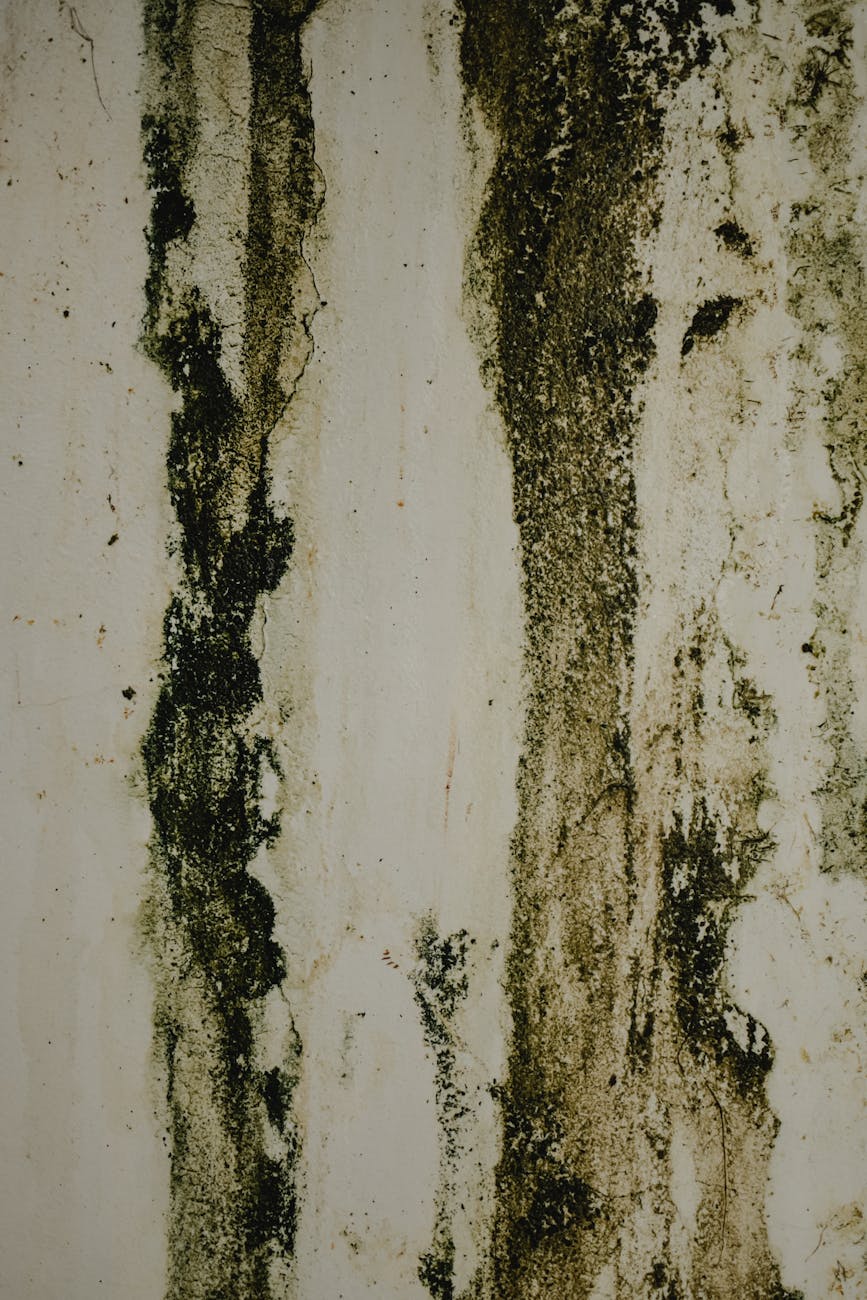
  • Safeguarding Infrastructure: Combatting Mold in Your HVAC Systems

    Safeguarding Infrastructure: Combatting Mold in Your HVAC Systems


  • Beyond the Algorithm: Protecting Your HVAC Investment from the Unseen Threats

    Beyond the Algorithm: Protecting Your HVAC Investment from the Unseen Threats


  • Modernizing Your Facility’s Legacy: Strategic Tech Integration for a Sustainable Future

    Modernizing Your Facility’s Legacy: Strategic Tech Integration for a Sustainable Future

    The allure of shiny new construction often overshadows the immense potential and pressing need to revitalize existing properties. As the commercial real estate landscape evolves, the strategic retrofit of aging buildings is no longer just an option; it’s a critical pathway to enhanced sustainability, operational efficiency, and long-term value. The challenge, however, lies in seamlessly integrating cutting-edge technology with legacy systems, particularly within the crucial realm of HVAC infrastructure.

    The article “Retrofitting Aging Buildings Requires Strategic Tech Integration” highlights a pivotal truth: successful sustainability retrofits demand a holistic approach that moves beyond simple component replacement. It emphasizes the need for thoughtful planning, informed technology choices, and a thorough understanding of how these integrations affect overall building performance. This approach is particularly relevant when considering the core of any building’s operational efficiency: its HVAC system.

    The Imperative of the Retrofit

    Many existing buildings, while structurally sound, are operating with outdated infrastructure that drains resources. These legacy systems contribute to:

    • Excessive Energy Consumption: Older HVAC units are notoriously inefficient, resulting in higher utility bills and a significant carbon footprint. This inefficiency directly impacts your bottom line and your sustainability targets.
    • Suboptimal Occupant Comfort: Inconsistent temperatures, poor indoor air quality, and unreliable performance can lead to tenant complaints and reduced productivity.
    • Increased Maintenance Costs: Frequent breakdowns and the need for specialized parts for older equipment can quickly become a financial burden.
    • Diminished Asset Value: Buildings that fail to meet modern efficiency and comfort standards struggle to compete in today’s market.

    A well-executed retrofit addresses these challenges head-on. It’s an opportunity to transform an aging asset into a high-performing, sustainable, and attractive property.

    Strategic Tech Integration: Beyond the Box

    The key to a successful retrofit that enhances sustainability lies in strategic tech integration. A successful retrofit isn’t just about installing smart thermostats or advanced building management systems (BMS); it’s also about optimizing the overall energy efficiency of the building. It’s about creating a cohesive, intelligent ecosystem where new technologies seamlessly integrate with existing infrastructure, optimizing every aspect of building operations.

    The article correctly points out that this requires:

    • Early Engagement of Experts: Bringing in tech integrators, HVAC specialists, and sustainability consultants from the outset ensures a comprehensive plan.
    • Data-Driven Decision Making: Leveraging existing building data to identify pain points and prioritize upgrades.
    • Scalability and Future-Proofing: Choosing technologies that can adapt to evolving needs and future innovations.

    Crucially, while advanced controls and AI-driven analytics can optimize the operation of your HVAC system, the fundamental efficiency and longevity of the physical equipment itself are paramount. If your HVAC coils corrode, your ductwork is inefficient, or your outdoor units are suffering from environmental degradation, no amount of smart technology will fully compensate for these issues.

    Maximizing Your Retrofit ROI: The Coat Zone Advantage

    This is where Coat Zone steps in, offering a vital layer of protection and enhanced performance that directly amplifies the benefits of your strategic tech integration. Our specialized HVAC coatings complement your retrofit efforts by addressing the physical integrity and efficiency of your existing and newly installed equipment.

    Consider the impact on your HVAC systems:

    • CoilSafe® and CoilSafe Plus®: Applied to interior coils, these coatings prevent corrosion and microbial growth. Corrosion is a silent killer of HVAC efficiency, impeding heat transfer and airflow. By protecting coils, CoilSafe® and CoilSafe Plus® ensure your units maintain optimal energy efficiency, reducing the workload on your compressors and resulting in substantial energy savings. CoilSafe Plus® also enhances indoor air quality by inhibiting the growth of mold and bacteria.
    • ThermalBlock™: This exterior coating for HVAC units, cabinets, and ductwork provides a highly reflective and durable barrier. It significantly reduces solar heat gain, preventing your equipment from overheating and working harder than necessary. This reduction translates into less stress on the system, lower energy consumption, and extended equipment lifespan.

    By integrating Coat Zone’s protective solutions into your retrofit strategy, you can preserve your capital investment in new technology and also revitalize the existing HVAC infrastructure to perform at its peak. This synergistic approach leads to:

    • Dramatically Improved Energy Efficiency: Lower utility bills and a reduced carbon footprint, contributing significantly to your sustainability goals.
    • Extended Equipment Lifespan: Protecting vital components reduces wear and tear, delaying costly replacements.
    • Enhanced Reliability: Fewer breakdowns and more consistent performance, ensuring occupant comfort and operational continuity.
    • Maximized ROI on Tech Investments: Ensuring your smart building technologies are optimizing truly efficient equipment.

    Invest in a Sustainable Future

    The decision to retrofit an aging building is an investment in its future. By embracing strategic tech integration and fortifying your HVAC infrastructure with proven protection, you are not just upgrading a building; you are transforming it into a resilient, high-performing, and sustainable asset.

    Don’t let inefficient legacy systems undermine your modernization efforts. Schedule a consultation with Coat Zone today. Our experts and certified dealers are ready to discuss how our solutions can help you maximize the benefits of your retrofits and/or existing HVAC equipment, optimize your budget, and pave the way for a more efficient and sustainable tomorrow.


    Source:

  • Greener Data Centers Start with Better HVAC: A Low-Cost Sustainability Win

    Greener Data Centers Start with Better HVAC: A Low-Cost Sustainability Win

    The need for sustainability has never been more pressing across every industry, and the rapidly expanding digital infrastructure is no exception. As artificial intelligence (AI) continues to reshape our world, the demand for data center capacity is rising. The focus often turns to renewable energy sources and advanced cooling technologies. Still, a fundamental and often overlooked area for significant sustainability gains lies within the very heart of data center operations: the HVAC system.

    For those tasked with overseeing data center operations, the path to a greener future doesn’t always demand a complete overhaul. Sometimes, the most impactful changes are those that optimize existing infrastructure, delivering substantial energy efficiency improvements with a low upfront investment.

    The Unseen Burden: HVAC’s Role in Data Center Energy Consumption

    Data centers are voracious consumers of energy. While servers and computational equipment are significant power draws, the cooling infrastructure, primarily the HVAC system, often accounts for a staggering 25-40% of a data center’s total energy usage [1]. This is a critical point for sustainability: improving HVAC efficiency not only reduces operational costs but also directly contributes to a smaller carbon footprint.

    The challenge intensifies as the demand for AI workloads continues to increase. These highly compute-intensive tasks generate more heat per square foot than traditional IT operations, pushing HVAC systems to their limits. Overworked and inefficient HVAC units translate directly into higher energy bills and increased greenhouse gas emissions.

    Why HVAC Optimization is a “Low-Cost Sustainability Win”

    Investing in next-generation IT hardware is a continuous cycle for data centers. However, optimizing the existing HVAC infrastructure offers a unique opportunity for substantial energy savings without requiring massive capital expenditures or disrupting critical operations. It’s about making your current systems work smarter, not necessarily harder.

    Consider these factors:

    • Existing Infrastructure Leverage: Rather than replacing entire cooling plants, optimizing current HVAC systems maximizes the lifespan and efficiency of assets already in place.
    • Rapid ROI: Solutions focused on HVAC efficiency often yield quick returns on investment through reduced energy consumption.
    • Direct Environmental Impact: Every kilowatt-hour saved on cooling directly reduces the data center’s carbon emissions. This contributes tangibly to corporate sustainability goals.
    • Enhanced Reliability: Efficient HVAC systems run under less strain, leading to fewer breakdowns, reduced maintenance, and improved reliability for critical AI and other workloads.

    Coat Zone’s Solutions: Coating Your Path to Greener Operations

    We understand that true energy efficiency in a data center begins with protecting and enhancing the performance of critical HVAC components. Our coatings are designed to target the common culprits of HVAC inefficiency, offering a practical and cost-effective pathway to greater sustainability.

    1. CoilSafe: Restore Peak Performance for Sustainable Cooling

    Over time, HVAC coils become fouled with dirt, dust, and microscopic contaminants. This buildup acts as an insulator, severely impeding heat transfer, i.e., the primary function of the coils. As a result, your HVAC system works harder, consumes more energy, and struggles to maintain optimal temperatures, particularly when faced with intense AI heat loads.

    CoilSafe is an ultra-thin inorganic coating that breathes new life into your existing HVAC coils. It restores them to near-new efficiency by forming a protective, non-stick surface that prevents corrosion and makes cleaning significantly easier. By ensuring optimal heat transfer, CoilSafe reduces the energy consumption of your cooling units, directly contributing to your data center’s sustainability objectives. Its minimal thickness ensures no airflow restriction, maintaining optimal operational integrity.

    2. CoilSafe Plus: Beyond Efficiency to Enhanced Indoor Air Quality

    For data centers where environmental control and indoor air quality (IAQ) are paramount, CoilSafe Plus elevates the benefits of CoilSafe. This advanced coating incorporates an antimicrobial agent that actively inhibits the growth of mold, bacteria, and viruses on coil surfaces.

    Beyond preventing bio-fouling that can impede heat transfer and increase energy use, CoilSafe Plus ensures a healthier operational environment. Maintaining cleaner coils contributes to sustained HVAC energy efficiency while mitigating risks associated with airborne contaminants, a vital consideration for critical data center infrastructure.

    3. ThermalBlock: Blocking Heat, Boosting Efficiency

    Much of the heat that burdens a data center’s HVAC system doesn’t originate from IT equipment, but from external sources. Rooftop HVAC units and exposed ductwork absorb significant solar radiation, forcing cooling systems to work harder to compensate. This added thermal load directly translates to wasted energy.

    ThermalBlock is an advanced thermal radiant barrier applied to the exterior surfaces of HVAC units and associated ductwork. This innovative coating blocks up to 93% of solar heat [2], significantly reducing the amount of heat absorbed by your cooling infrastructure. By reducing the external thermal load, ThermalBlock enables your HVAC systems to operate less frequently and at lower capacities, particularly during peak solar hours. This results in substantial energy savings, reduced wear and tear on equipment, and a significant step towards a truly greener data center.

    Your Path to a Greener, More Efficient Data Center

    As AI continues to expand rapidly, the demand for data centers is expected to grow. Embracing sustainability through smart, targeted HVAC optimization is not just an environmental choice; it’s a strategic business decision. By investing in solutions like CoilSafe, CoilSafe Plus, and ThermalBlock, data center leaders and facility managers can achieve substantial energy efficiency gains, reduce operational costs, and demonstrate a clear commitment to a sustainable future, all of which starts with better HVAC.

    Contact Coat Zone today to explore how our coatings can empower your data center to become a leader in both performance and environmental responsibility.

    References:

    [1] U.S. Department of Energy. Energy-Efficient Cooling Control Systems for Data Centers. https://www.energy.gov/eere/iedo/energy-efficient-cooling-control-systems-data-centers 

    [2] Actual performance may vary based on specific conditions and application.