Powering Through the Perfect Storm
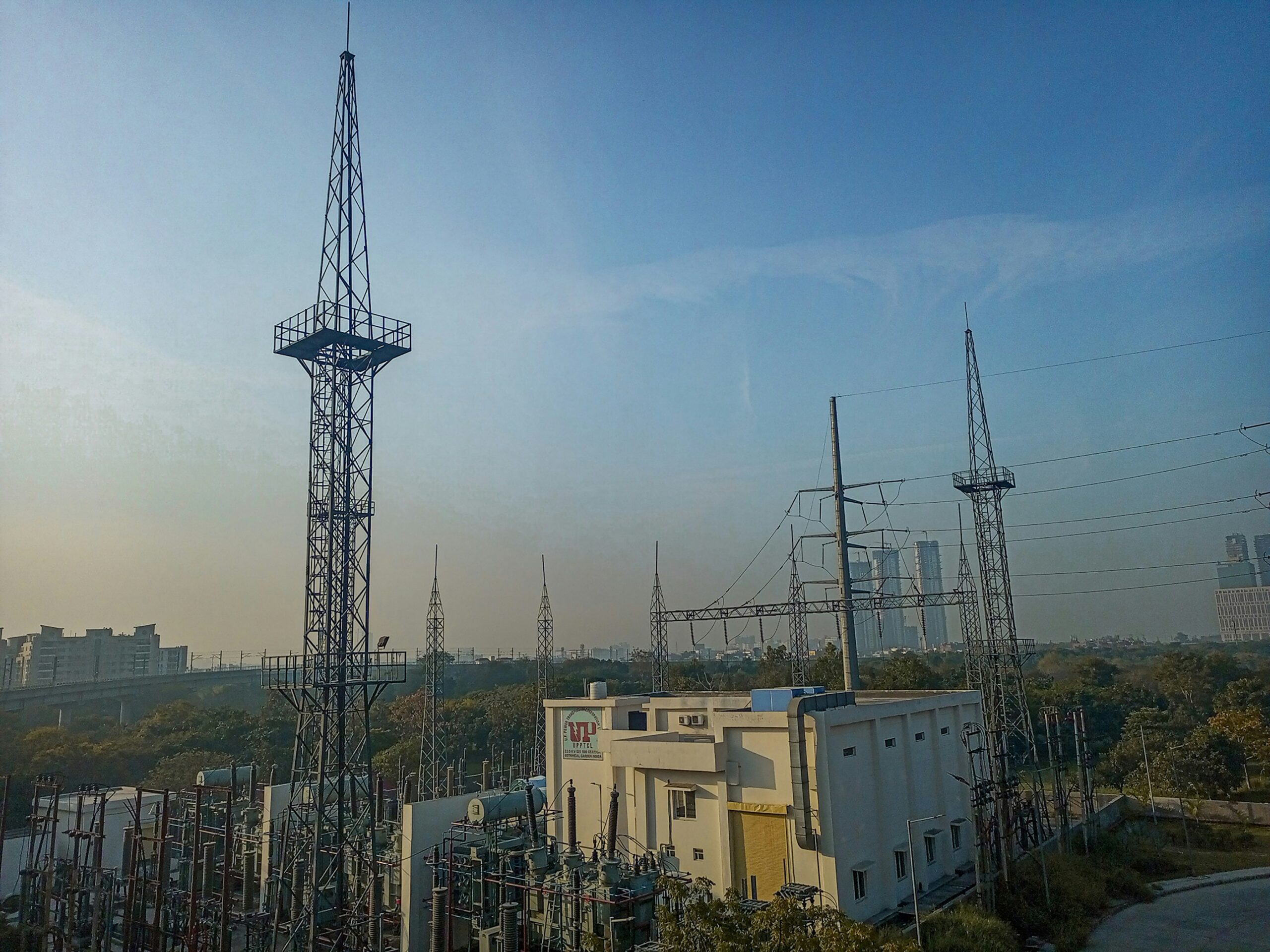
The electric grid, the very backbone of our modern lives, is facing unprecedented challenges. We rely on a complex network of power lines and substations that were built for a different era, with different demands. Today, as new economic realities and technological shifts take hold, that aging infrastructure is straining under the weight of a perfect storm of factors. The good news is that we don’t have to wait for the storm to break. By embracing smart, targeted energy efficiency solutions, we can strengthen grid resilience and secure a more resilient energy future.
The Unintended Consequences of Fiscal Policy on the Grid
The recent passage of the federal budget has significant, if unintended, consequences for the power sector. As Eran Inbar highlights in his article for T&D World, much of the public discussion has focused on its impacts on renewable energy. However, the bill also directly targets funding for essential transmission upgrades. The budget claws back unspent funding from the Infrastructure Facilitation Program and defunds the $3 billion Electric Transmission Facilitation Program, a Department of Energy (DOE) financing initiative designed to accelerate new transmission construction. These moves, along with the redirection of hundreds of millions in EPA and DOE grants, increase the burden on utilities and, in turn, their ratepayers.
These changes are particularly problematic given existing grid needs. Forecasts show that transmission development needs to triple just to meet current demand. With this new law, energy investment is projected to drop by as much as half a trillion dollars by 2035. This change could also increase wholesale costs by 74% and decrease overall grid reliability. The impact on renewable projects is also significant, as the bill phases out investment and production tax credits. This puts immense pressure on developers to complete projects within a compressed 2.5-year deadline created by the new policy.
The strain on the grid is further compounded by the rapidly growing demand from emerging technologies. The rise of AI and the proliferation of massive data centers are creating an exponential increase in energy consumption. These facilities require vast, consistent power supplies to operate, placing an additional tax on an already stressed system. We are at a crossroads. Either we undertake a multi-trillion-dollar overhaul of the entire electrical infrastructure, a costly, time-consuming, and politically fraught endeavor, or we find more innovative, more immediate ways to reduce the demand and enhance grid resilience.

Efficiency: The Key to a More Resilient Future
The path forward lies in energy efficiency. Rather than focusing solely on increasing supply, we must focus on reducing demand. This approach is not just a temporary fix; it’s a foundational principle for building a more resilient energy ecosystem. By optimizing the equipment we already have, we can significantly reduce the load on the grid without massive capital investment or years of construction.
This is where Coat Zone comes in. We believe that empowering businesses to achieve energy efficiency is the fastest, most effective way to bolster energy security. Our proprietary coatings offer a low-cost, high-impact solution that can be applied to your existing HVAC equipment, helping you run more efficiently with an extended lifespan and build grid resilience.
Coat Zone’s Dual Approach to Efficiency
Coat Zone’s products, CoilSafe®, CoilSafe Plus®, and ThermalBlock™, work together to optimize your HVAC systems. CoilSafe® and CoilSafe Plus® are liquid, glass-like coatings applied to internal evaporator and condenser coils. They are 40 times thinner than traditional coatings, allowing them to restore coil performance and improve heat exchange without impeding airflow. They prevent corrosion and dirt buildup, helping coils maintain near-original efficiency for years.
The second part is ThermalBlock™, a thermal radiant barrier applied to the exterior cabinets of rooftop HVAC units. This coating blocks up to 93% of solar heat. It significantly reducing the unit’s operating temperature to within a few degrees of the ambient air. By lowering the thermal load, ThermalBlock™ helps your system run less, reducing run time and energy consumption.
This dual approach provides a powerful combination of benefits:
- Reduced Energy Consumption: Our solutions reduce overall cooling energy consumption by 15-30%.
- Lower Costs & Rapid ROI: A single application of our coatings is a fraction of the cost of a complete system overhaul, with a typical return on investment in just 12-36 months.
- Extended Equipment Lifespan: By preventing corrosion and reducing heat loads, our coatings can help extend the useful life of a unit by 50% or more, deferring costly replacement cycles.
As the US federal budget shifts and new pressures from AI and data centers continue to mount, the need for a pragmatic, cost-effective solution to improving grid resilience has never been more urgent. Instead of waiting for a grid-wide disaster, businesses can take action today. By choosing to optimize existing equipment, you not only improve your bottom line but also play a critical role in strengthening the very foundation of our energy future.
Citations
Eran Inbar. “One Big Beautiful Unintended Consequence: OBBB’s Impact on Grid Operations.” TD World, 19 August 2025, https://www.tdworld.com/policy/blog/55310527/one-big-beautiful-unintended-consequence-obbbs-impact-on-grid-operations.
McKenna Peplinski and Nicholas Roy. “If/Then: Unintended Effects of Recent Federal Actions on Electricity Prices.” Resources for the Future, 7 August 2025, https://www.resources.org/common-resources/if-then-unintended-effects-of-recent-federal-actions-on-electricity-prices/.